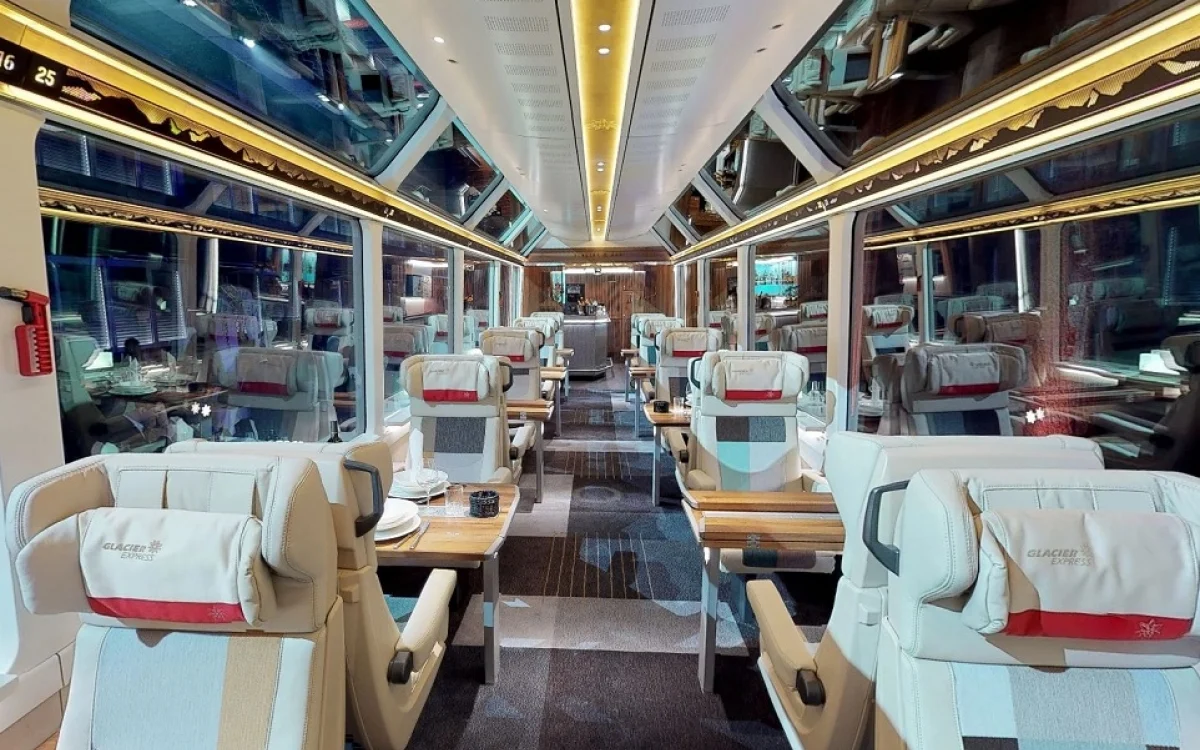
Swiss alpine rail travel represents a pinnacle of engineering and tourism integration, moving passengers through some of the most challenging topographical regions in Europe. At the center of this network is the Glacier Express, a narrow-gauge train that has operated since 1930. Unlike high-speed rail systems designed for rapid transit, this journey is characterized by its deliberate pace, allowing for detailed observation of the Swiss Alps, including the Oberalp Pass and the Rhine Gorge.
This article serves as a foundational resource for understanding the logistical and operational aspects of Luxury Train Journeys Through Switzerland: The Glacier Express Guide. Readers will learn about the technical specifications of the route, the various service tiers available to travelers, and the practical planning requirements—including seasonal variations and ticketing protocols—necessary for a successful trans-alpine journey.
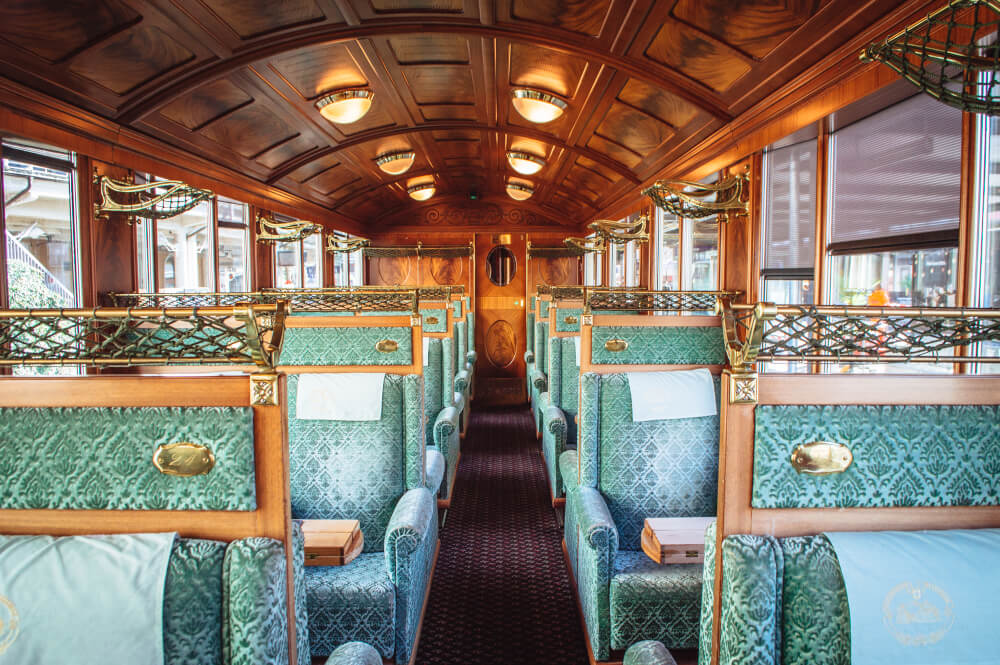
Overview of Luxury Train Journeys Through Switzerland: The Glacier Express Guide
The Glacier Express is often referred to as the “slowest express train in the world.” The journey spans approximately 180 miles (290 km) between the mountain resorts of Zermatt and St. Moritz. The core concept is “experiential transit,” where the movement through the landscape is as significant as the destination. The train crosses 291 bridges and passes through 91 tunnels, reaching its highest point at the Oberalp Pass, which stands at 6,670 feet (2,033 meters) above sea level.
Travelers typically approach this journey as a centerpiece of a broader Swiss itinerary. The goal is generally to observe the transition between different alpine ecosystems—from the Mattertal valley to the high Engadin plateau—within a single eight-hour window. Expectations include panoramic views facilitated by specially designed oversized windows and a high standard of on-board hospitality, ranging from regional catering to multi-lingual audio commentary.
Service Categories and Rail Classes
While the physical route remains the same for all passengers, the Glacier Express offers distinct service tiers that cater to different logistical needs and comfort requirements.
| Category / Type | Description | Common Use Case | Time / Cost / Effort Level |
| Excellence Class | The highest luxury tier; features guaranteed window seats and a multi-course tasting menu. | High-end leisure and celebratory travel. | 8 hours / Exceptional / Low |
| First Class | Standard luxury seating with more legroom and smaller seating configurations (2+1). | Professional travelers and comfort-oriented tourists. | 8 hours / High / Moderate |
| Second Class | Standard seating in a 2+2 configuration with access to the same panoramic views. | Budget-conscious travelers and large groups. | 8 hours / Moderate / Moderate |
| Segment Travel | Booking only specific portions of the route (e.g., Brig to Chur). | Travelers with limited time or specific regional interests. | 2–4 hours / Variable / High |
| Regional Transit | Using local Rhaetian Railway trains on the same tracks without panoramic windows. | Commuters and those prioritizing flexibility over aesthetics. | 8+ hours / Low / Very High |
Choosing between these categories depends on the traveler’s prioritization of privacy and service. Excellence Class is designed for those who view the train as the destination itself, whereas First and Second classes are more functional for those integrating the journey into a multi-city tour.
Practical Scenarios for Trans-Alpine Rail Travel
Scenario 1: The Full-Day Trans-Alpine Expedition
This is the standard application, involving the complete transit from Zermatt to St. Moritz (or vice versa).
-
Steps: Secure a mandatory seat reservation 90 days in advance, arrive at the station 20 minutes prior to departure, and utilize the on-board tablet for geographic information.
-
Elements: Full 8-hour duration, crossing the Landwasser Viaduct, and crossing the Oberalp Pass.
-
Relevance: This is the most comprehensive way to understand the scale of Swiss civil engineering and the diversity of the cantonal landscapes.
Scenario 2: Winter Alpine Observation
Traveling during the winter months (December through March) provides a distinct thematic experience focused on snow-covered landscapes.
-
Steps: Verify winter schedule availability (as frequency decreases), prepare for shorter daylight hours, and coordinate with ski-resort transfers at the termini.
-
Components: High-altitude snowscapes, frozen lakes in the Engadin, and winter catering menus.
-
Relevance: Ideal for travelers interested in the specific aesthetic of the “Swiss Winter,” though it requires more careful logistical planning regarding resort accessibility.
Scenario 3: The “Grand Train Tour” Integration
In this use-case, the Glacier Express is treated as one leg of a multi-day rail pass itinerary.
-
Steps: Utilize a Swiss Travel Pass to cover the ticket price, pay only the mandatory reservation fee, and connect to the Bernina Express in St. Moritz.
-
Components: Ticket-pass coordination, luggage forwarding services, and multi-train scheduling.
-
Relevance: This scenario is highly efficient for international visitors who wish to see the maximum amount of Switzerland with minimal car-rental logistics.
Comparison of Scenarios:
The full-day expedition is a standalone experience; the winter journey is thematically specific; and the tour integration is logistically optimized. Readers should select based on whether they are visiting for the rail experience itself or using the rail as a tool for broader exploration.
Planning, Cost, and Resource Considerations

Preparation is critical because the Glacier Express requires both a valid ticket and a mandatory seat reservation. During peak summer months, seats in Excellence Class and First Class can sell out shortly after the 90-day booking window opens.
| Category | Estimated Amount / Effort | Explanation | Optimization Tips |
| Mandatory Reservation | $40 – $470 | Varies by class; Excellence Class has a significantly higher fee. | Book exactly 90 days out for peak seasons. |
| Standard Ticket | $150 – $270 | The base fare if not using a rail pass. | Use a Half-Fare Card to reduce the ticket price by 50%. |
| Swiss Travel Pass | $240 – $450 | Covers the ticket price of the Glacier Express and most other Swiss rail. | Best for those taking 3+ long-distance trains. |
| On-Board Dining | $30 – $60 | Three-course meals served at your seat. | Pre-order meals during the reservation process. |
Note: Figures are illustrative examples based on 2026 market rates and may vary.
Strategies and Navigational Support Options
Several methods and tools can be used to manage the complexities of a trans-alpine rail journey.
-
Luggage Forwarding (Station-to-Station): SBB (Swiss Federal Railways) offers a service where bags are sent ahead to the destination.
-
Advantages: Allows for hands-free travel and easier transfers. Disadvantages: Requires 24-hour lead time and additional fees.
-
-
Panoramic Seat Mapping: Digital tools provided during the booking process to select specific sides of the train.
-
Advantages: Can ensure better views of specific landmarks like the Landwasser Viaduct. Disadvantages: Specific seats are highly sought after and sell out fast.
-
-
SBB Mobile App: The primary digital tool for all Swiss transit.
-
Advantages: Real-time delay updates and platform information. Disadvantages: Requires consistent data connection.
-
-
Audio-Guided Infotainment: Headphones provided at every seat linked to the train’s GPS.
-
Advantages: Explains the history and geology of the route in real-time. Disadvantages: Can be repetitive for frequent travelers.
-
Safety, Risks, and Common Challenges
While Swiss rail is globally recognized for reliability, trans-alpine travel involves specific challenges.
-
Mandatory Reservation Oversight: Travelers often purchase a ticket but forget the reservation.
-
Prevention: The Glacier Express will not allow boarding without a reservation; confirm both documents are in your possession.
-
-
Seasonal Maintenance Closures: The train often shuts down for several weeks in late October/November.
-
Prevention: Check the official “Glacier Express” calendar before booking flights.
-
-
Motion Sickness: The route involves many sharp turns and elevation changes.
-
Mitigation: Focus on the horizon or sit in the direction of travel; Excellence Class offers more stability.
-
-
Storage Limitations: Panoramic cars have limited overhead space for large suitcases.
-
Prevention: Utilize the aforementioned station-to-station luggage forwarding service.
-
Best Practices and Trip Maintenance
For a seamless experience, travelers should adhere to a checklist of ongoing best practices.
-
90-Day Rule: Mark the calendar exactly 93 days before travel to prepare for the booking window.
-
Catering Pre-Orders: Meals are prepared fresh; pre-ordering ensures your preferred dietary choice is available.
-
Device Management: panoramic windows mean a lot of light; use a polarizing filter for photography to reduce glare.
-
Connectivity Awareness: Tunnels and high mountains frequently interrupt cellular signals; download maps and entertainment beforehand.
Documentation and Travel Information Management
Outcomes for these journeys are typically managed through digital ticketing and travel logs.
-
Digital Wallet Integration: Most Swiss rail documents can be integrated into Apple or Google Wallets.
-
Validation Protocols: Conductors will scan both the ticket/pass and the reservation; keep these grouped together.
-
Itinerary Storytelling: Many travelers document the journey by altitude; noting the transition from the 2,033m Oberalp Pass to the lower Rhine Gorge (Ruinaulta) provides a structured way to categorize travel photos.
Example: “Zermatt departure at 1,600m; Peak elevation reached at 12:45 PM (Oberalp Pass); Arrival in Chur (593m) for the Rhine Gorge segment.”
Closing Summary
Luxury Train Journeys Through Switzerland: The Glacier Express Guide highlights a unique intersection of civil engineering and high-end tourism. The success of the journey depends on understanding the mandatory reservation systems, selecting the appropriate service class for one’s comfort needs, and preparing for the logistical nuances of high-altitude travel. Whether pursued as a standalone luxury experience in Excellence Class or as a logistically optimized leg of a Grand Train Tour, the Glacier Express remains a definitive method for observing the geological and cultural breadth of the Swiss Alps.
FAQ
-
Does the Glacier Express run year-round? It runs for most of the year but typically closes for maintenance from mid-October to mid-December.
-
Is food included in the price? Food is only included in the Excellence Class reservation fee. For First and Second classes, meals must be purchased separately.
-
Which side of the train has the best views? Views are panoramic on both sides, but for the Landwasser Viaduct (near Filisur), the right side (traveling toward St. Moritz) is often preferred.